
Laboratory safety depends heavily on proper equipment protocols during daily scientific tasks. When technicians perform GL45 reagent bottle sterilization, they must follow strict safety rules. Proper autoclave procedures prevent pressure accidents and protect laboratory personnel from unexpected glass failures.
1. Pressure Management During GL45 Reagent Bottle Sterilization
Autoclaves generate intense steam pressure inside sealed chambers.
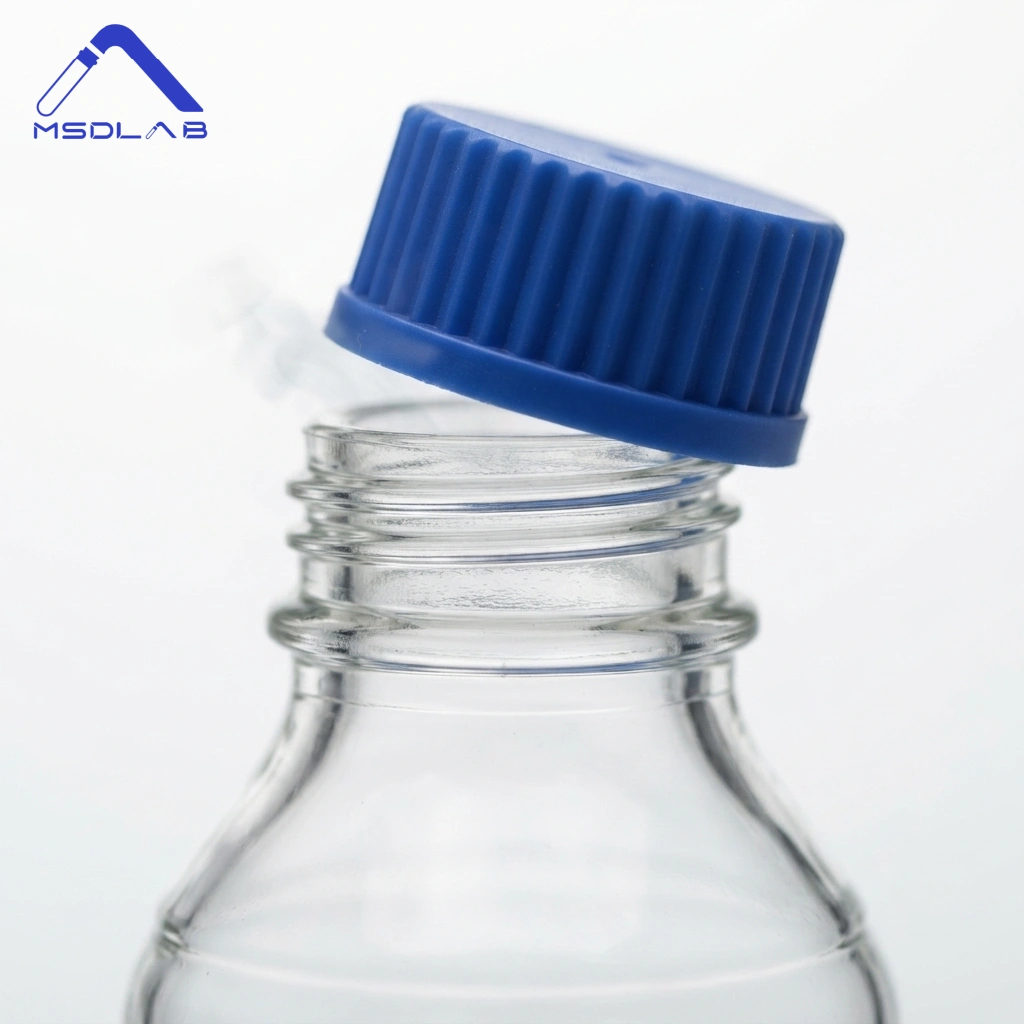
- Cap Loosening: Technicians must never tighten bottle caps fully before starting the cycle. A partially unscrewed cap allows steam to pass freely.
- Equalization: Loose threads equalize internal and external pressures during heating and cooling phases.
2. Explosion Prevention and Cooling Safety
Rapid temperature changes create severe thermal stress on standard glassware.
- Slow Venting: Operators should select slow exhaust cycles to prevent boiling retardation.
- Cooling Period: Allow chambers to cool below 80°C before opening doors. Thermal shock causes sudden structural failure if hot bottles encounter drafts.
3. Pre-Sterilization Inspection Protocols
Checking glassware condition stops accidents before cycles begin.
- Crack Detection: Inspect every container for microscopic chips or stress fractures.
- Media Volume: Fill bottles up to maximum seventy percent capacity to leave expansion space for steam.
Protect your laboratory team today. Contact our technical support team at MSD to get professional glassware handling guidelines and bulk catalog details.