Laboratory operations demand durable containment vessels for daily scientific workflows. When accidents happen, researchers must understand why glass bottle breakage occurs during experiments. Equipment failures disrupt important research timelines and waste expensive biological reagents. Laboratory managers seek effective solutions to prevent recurring container damage. MSD LAB provides high-purity borosilicate glass designed to withstand harsh operational environments.
1. Analyzing Thermal Shock as a Primary Glass Bottle Breakage Cause
Rapid temperature shifts represent a major hazard for laboratory glassware. When hot vessels contact cold surfaces, thermal gradients create extreme internal stress. This hidden stress frequently triggers sudden glass bottle breakage in busy facilities. Borosilicate 3.3 glass offers superior thermal shock resistance compared to standard soda-lime containers. Technicians must avoid placing sterilized bottles onto ice-cold metal countertops. Gradual cooling phases protect structural integrity during high-temperature sterilization cycles. Smart laboratory protocols prevent costly accidents effectively.
2. Mechanical Impacts and Handling Mishaps
Daily transport and heavy handling expose containers to physical stress. Accidental drops against hard benchtops cause severe surface micro-cracks. These invisible fractures weaken vessels and provoke eventual glass bottle breakage under pressure. MSD LAB manufactures reinforced rims to absorb external impact forces safely. Staff members must wear protective gloves and use padded trays during transport. Proper handling habits extend product lifecycles significantly. Institutional safety officers recommend continuous training for all junior laboratory personnel.
3. Overpressure Risks During Autoclave Sterilization
Steam sterilization involves high-pressure environments that test vessel limits. If caps remain tightly sealed during heating, internal pressure builds up rapidly. Extreme pressure differentials cause catastrophic glass bottle breakage inside automated autoclaves. MSD LAB recommends loosening screw caps by one full turn before sterilization. Pressure equalization prevents violent explosions and protects laboratory staff from injury. Maintenance teams inspect autoclave valves regularly to ensure proper operational calibration. Safety compliance eliminates dangerous workplace hazards entirely.
4. Chemical Corrosion and Surface Degradation
Aggressive solvents and strong alkaline solutions attack interior glass surfaces over time. Prolonged exposure causes surface pitting and localized structural weakness. Weakened walls cannot support standard mechanical loads during centrifugation or transport. MSD LAB containers utilize high-purity glass compositions to resist chemical corrosion. Regular visual inspections help technicians spot early signs of surface etching. Discarding degraded vessels prevents unexpected laboratory failures.
5. Manufacturing Flaws and Wall Thickness Inconsistencies
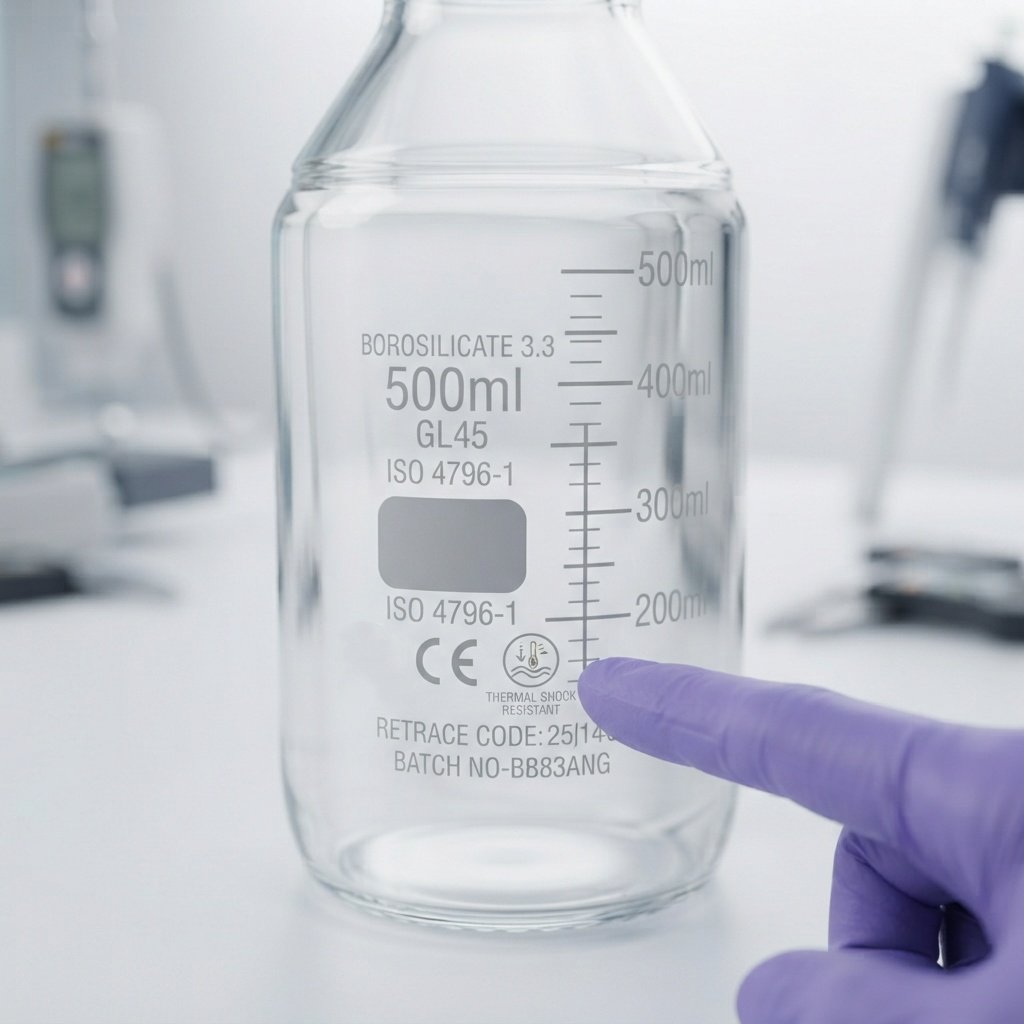
Low-quality glassware often exhibits uneven wall thickness from poor manufacturing controls. Thinner sections experience higher stress concentrations during heating and cooling phases. These structural flaws directly accelerate glass bottle breakage under normal working conditions. MSD LAB enforces strict quality control standards across every production batch. Automated laser scanners measure wall uniformity before items leave the factory floor. Investing in certified glassware protects research budgets from substandard equipment.
6. Incorrect Storage and Inventory Management Practices
Improper stacking and overcrowded shelving create unnecessary physical pressure on containers. Heavy loads scratch adjacent surfaces and compromise glass strength over time. Facilities require dedicated shelving units with soft protective padding. MSD LAB advises storing media bottles in single layers to prevent friction damage. Organized inventory systems reduce accidental drops during retrieval tasks. Proper storage protocols maintain equipment reliability for years.
7. MSD LAB Solutions for Enhanced Laboratory Safety
MSD LAB engineers premium containment solutions to minimize operational risks. High-grade borosilicate glass handles extreme temperatures and aggressive chemicals effortlessly. Certified manufacturing processes eliminate internal structural flaws completely. Research institutions trust MSD LAB products for critical biopharmaceutical workflows. Upgrading laboratory supplies reduces accident rates and boosts overall productivity. Technical support teams assist facilities with customized safety recommendations.
8. Best Practices for Preventing Laboratory Glass Failures
Proactive maintenance routines safeguard daily scientific experiments. Laboratories should establish clear standard operating procedures for glassware handling. Regular audits identify damaged items before catastrophic failures occur. MSD LAB encourages continuous staff education on thermal and mechanical safety. Implementing these measures ensures a secure and efficient workspace.
Conclusion: Securing Excellence with MSD LAB
Understanding glass bottle breakage helps facilities optimize safety and operational efficiency. Choosing certified equipment prevents costly accidents and protects valuable research samples. Partner with MSD LAB to secure uncompromised quality and reliability.
Ready to upgrade your laboratory supply chain today? Contact our technical team at MSD LAB to request certified product catalogs and bulk pricing details.