Modern scientific laboratories require strict protocols for maintaining chemical reagent storage integrity. When facilities handle sensitive compounds, containment choices dictate overall experimental safety. Laboratory managers always prioritize methods that prevent leaks, light degradation, and cross-contamination. Selecting high-grade borosilicate glass vessels solves many preservation challenges efficiently. Proper containment standards protect research staff and maintain chemical purity across every scientific department.
1. Understanding Material Requirements for Chemical Reagent Storage
Different compounds demand specific material properties from storage vessels. Strong acids and organic solvents react aggressively with inferior plastic containers. High-purity borosilicate 3.3 glass offers exceptional chemical inertness for sensitive solutions. Top-tier containment options prevent material leaching into stored reagents completely. Technicians verify container compatibility before transferring volatile substances into new vessels. High-grade glass surfaces resist corrosion during long-term storage periods. Laboratories achieve reliable safety outcomes by matching containers to specific chemical profiles.
2. Preventing Liquid Leaks and Vapor Escape
Secure closures remain critical during long-term chemical reagent storage cycles. Defective caps allow toxic vapors to escape into active workspaces. Premium media bottles utilize integrated sealing rings to guarantee leak-proof performance. Technicians tighten screw caps correctly to maintain tight hermetic seals. Drip-free pouring rings eliminate messy residue accumulation on exterior surfaces. Regular inspections catch worn gaskets before accidental spills occur. Facilities protect institutional assets by investing in reliable closure mechanisms.
3. Protecting Light-Sensitive Compounds from Photodegradation
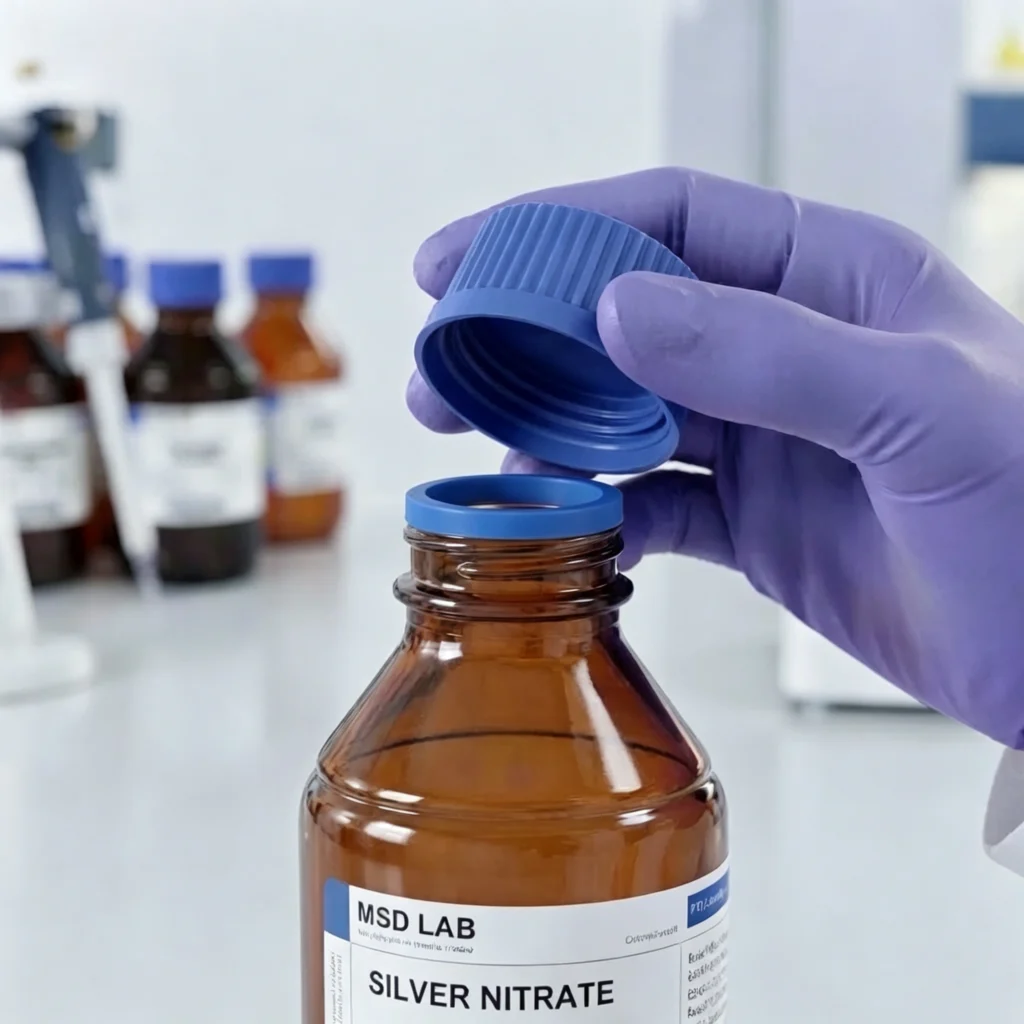
Certain chemical reagents degrade rapidly when exposed to ambient light sources. Ultraviolet radiation alters molecular structures and ruins valuable experimental samples. Laboratories store light-sensitive compounds in amber-coated borosilicate glass containers. Amber tinting blocks harmful light wavelengths effectively while maintaining interior visibility. Researchers label amber bottles clearly to distinguish them from clear vessels. Proper light protection preserves chemical potency over extended shelf lives. Careful storage habits prevent unexpected experimental failures in analytical chemistry labs.
4. Avoiding Contamination During Daily Reagent Handling
Clean sampling habits prevent cross-contamination during chemical reagent storage routines. Dedicated pipettes and clean funnels reduce accidental impurity introductions significantly. Technicians never return unused chemicals back into primary stock bottles. Sterile working environments protect high-purity solutions from airborne dust particles. Automated dispensing accessories minimize direct human contact with hazardous liquids. Regular cleaning protocols sanitize storage shelving units on a scheduled basis. Strict hygiene standards ensure reproducible research results across all scientific workflows.
5. Optimizing Environmental Controls in Storage Rooms
Storage room climates influence the stability of chemical reagents profoundly. Excessive heat accelerates chemical reactions and increases interior vapor pressure. Facilities maintain climate-controlled spaces with stable ambient temperatures year-round. Ventilation systems remove accumulated fumes and protect indoor air quality. Proper humidity levels prevent metal component corrosion on storage shelving units. Monitoring tools track environmental fluctuations continuously inside chemical storage cabinets. Optimal climate management extends reagent usability and enhances overall laboratory safety.
6. Implementing Digital Inventory Tracking Systems
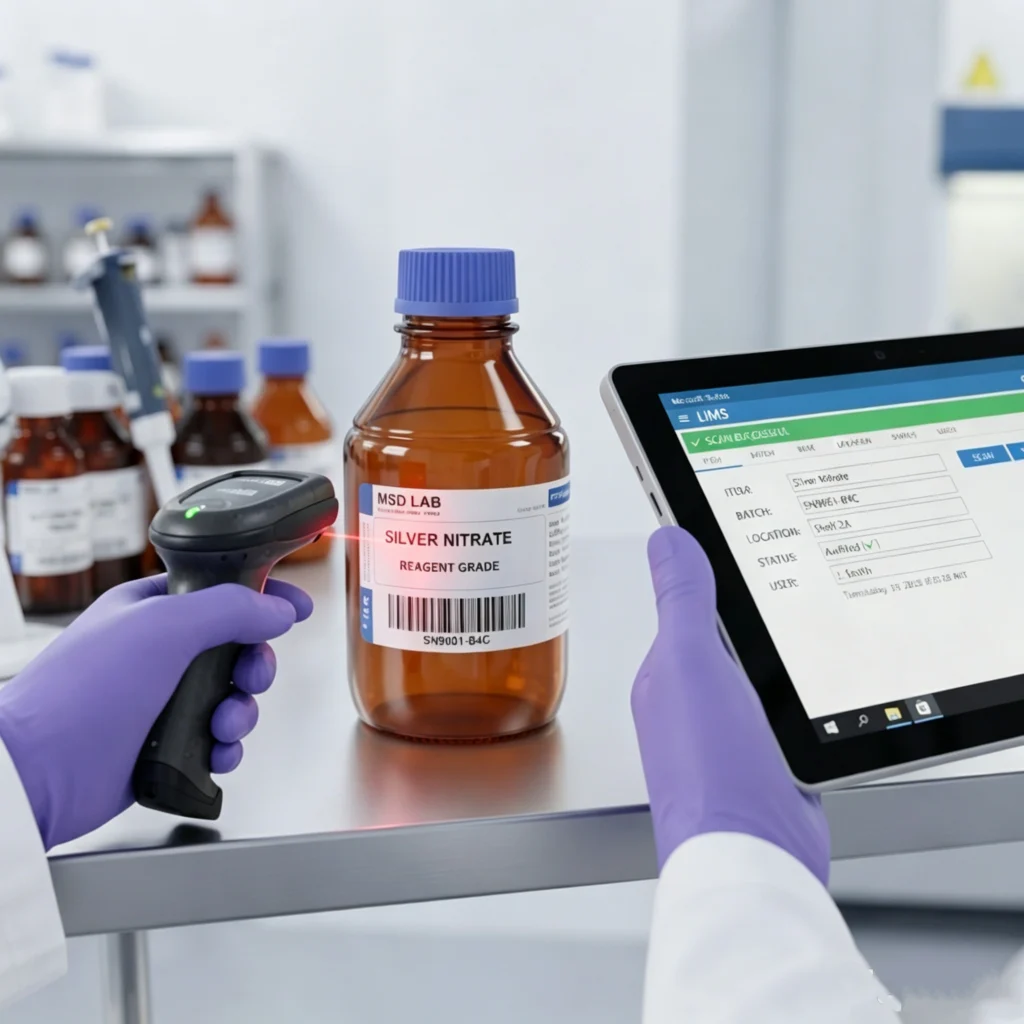
Modern facilities manage chemical reagent storage using advanced digital software. Barcode scanners track container locations and expiration dates in real time. Digital recordkeeping eliminates manual logging errors and streamlines audits. Laboratory managers monitor stock levels to prevent duplicate ordering issues. Traceable inventory systems identify aging reagents before chemical degradation occurs. Smart software solutions alert safety officers to overdue inspection dates instantly. Technological integration modernizes traditional supply chain management practices effectively.
7. Safety Protocols for Hazardous and Volatile Substances
Dangerous substances require specialized containment and strict handling safeguards. Flammable solvents need explosion-proof storage cabinets away from heat sources. Corrosive acids reside on lower shelving levels to minimize splash risks. MSD LAB containers provide robust protection against accidental impact damage. Emergency spill kits remain accessible near every chemical storage zone. Safety officers conduct mandatory training sessions for all incoming research personnel. Comprehensive safety protocols protect staff members from workplace hazards.
8. Sustainable Practices in Laboratory Glassware Management
Eco-friendly operations benefit both institutional budgets and environmental health. Reusable glass containers reduce plastic waste generation across research facilities. Proper washing and sterilization restore used bottles to pristine conditions. Sustainable procurement choices lower long-term operational expenditures significantly. Laboratories minimize their carbon footprint through smart glassware lifecycle management. Green initiatives align modern scientific institutions with global environmental standards. Responsible resource handling secures a cleaner future for scientific research.
Conclusion: Securing Excellence in Chemical Reagent Storage
Scientific success relies on uncompromising attention to containment quality. Implementing proper chemical reagent storage protocols protects valuable research samples. Laboratories achieve superior safety outcomes using certified borosilicate glassware. Brand reputation grows when quality control matches high operational standards.
Ready to upgrade your laboratory supply chain today? Contact our technical team at MSD LAB to request certified product catalogs and bulk pricing details.