In any modern scientific experiment, the “Blue Cap Bottle” is far more than just a container—it is a symbol of reliability. Whether you are preparing culture media, storing volatile reagents, or sampling high-purity chemicals, MSD’s GL45 Media Bottles are the premier choice. These versatile blue cap reagent bottles allow you to store, mix, and dispense samples within a single vessel, saving time and reducing the risk of contamination. But what exactly makes this blue cap so special? It is the result of precision engineering meeting advanced material science.
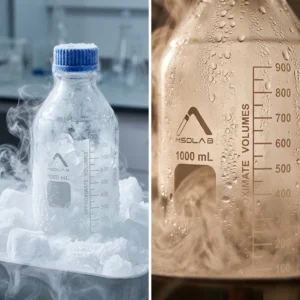
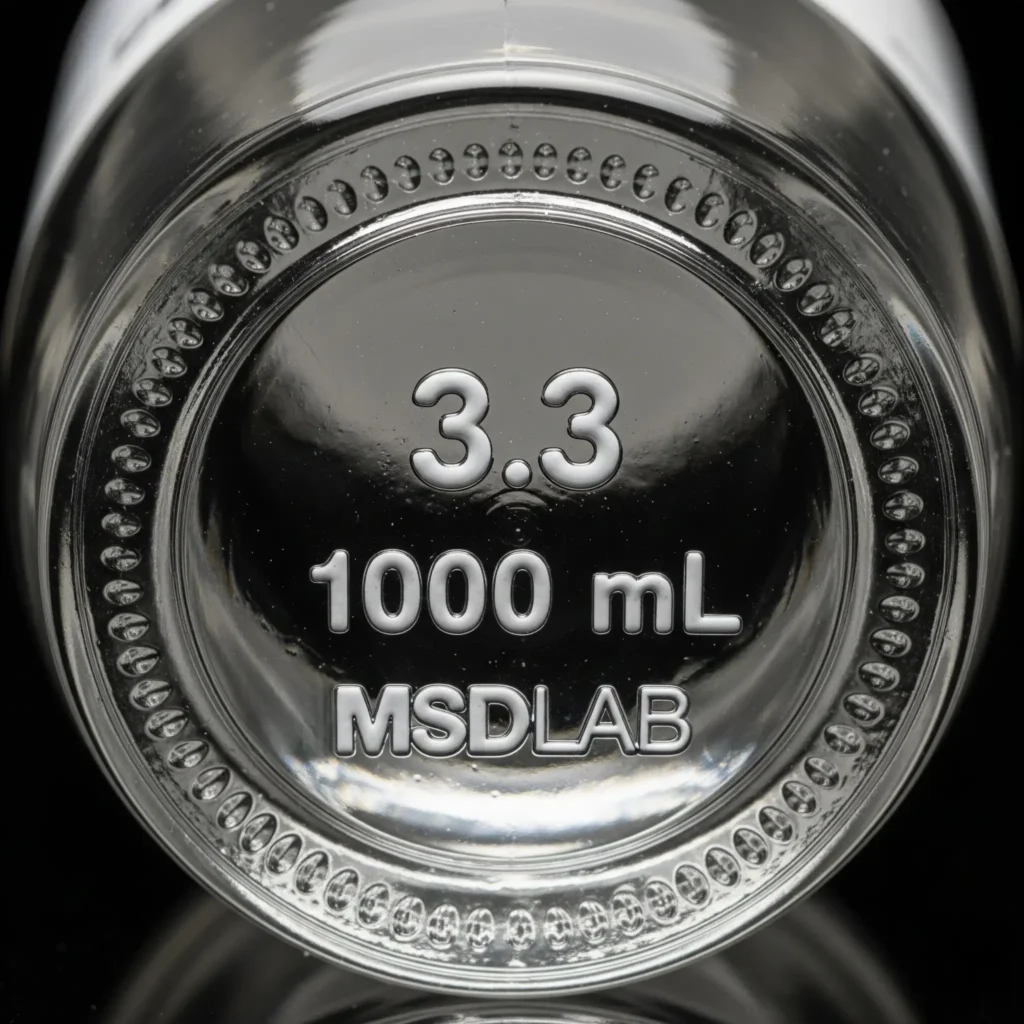
The quality of your glassware defines the limits of your experiment. MSD’s latest borosilicate 3.3 media bottle is crafted from Type I neutral glass, renowned for its exceptional thermal and chemical resistance.
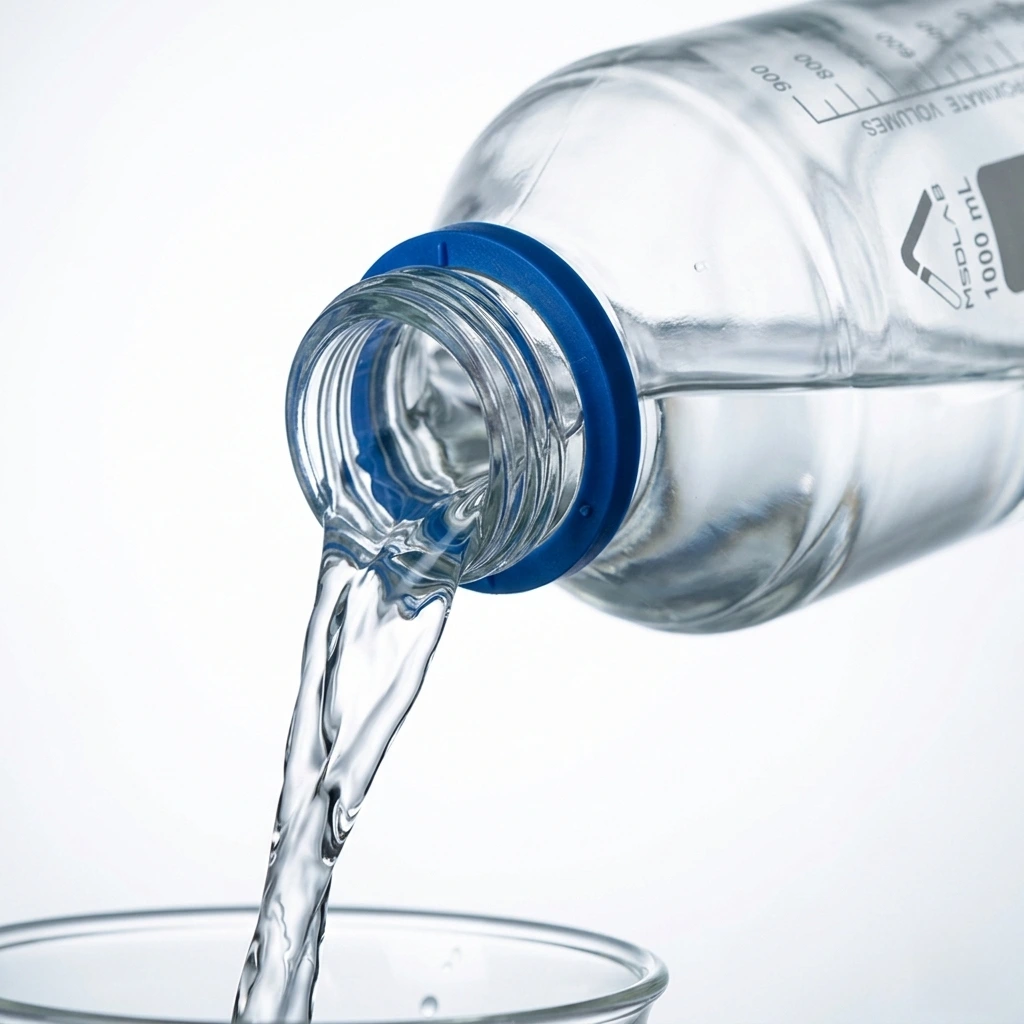
The “Blue Cap” is not just for color-coding; it is a meticulously designed sealing system that makes these autoclavable laboratory bottles so effective.
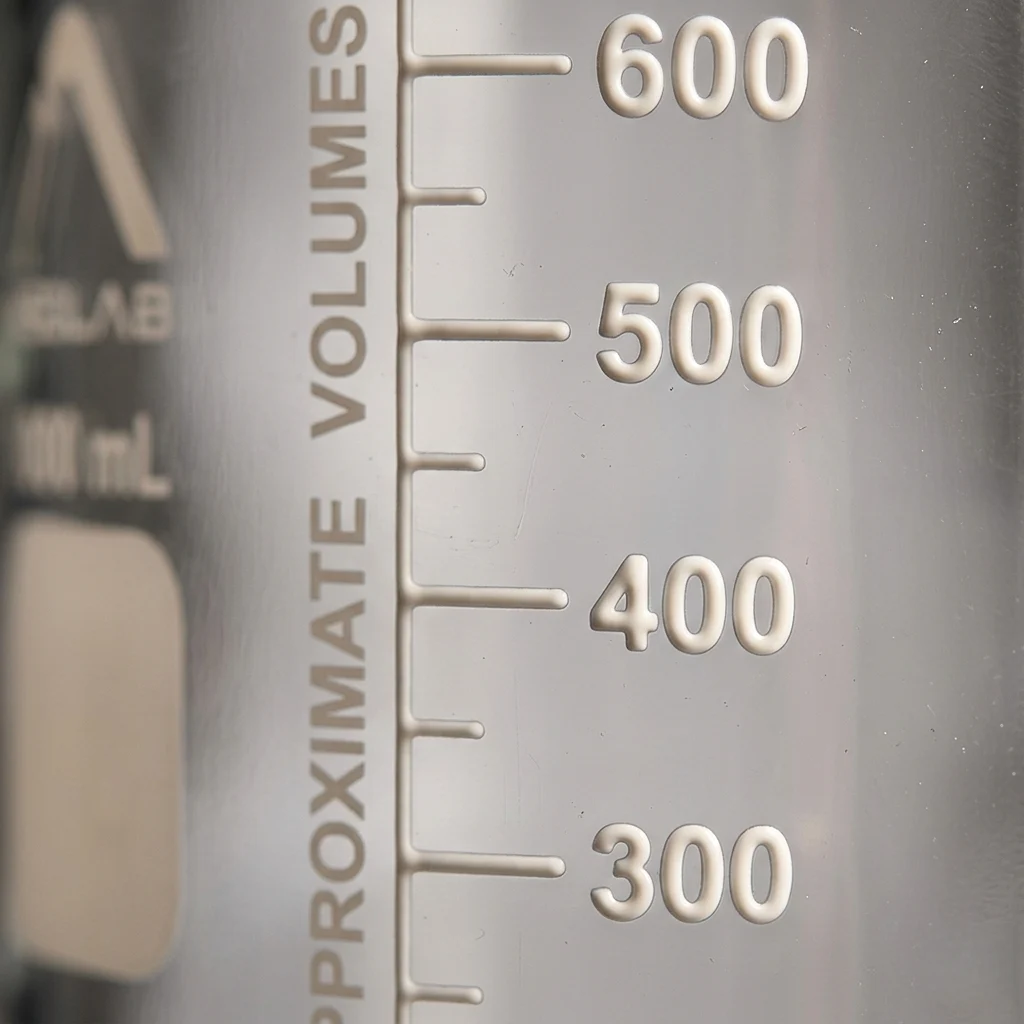
Accuracy begins with visibility. Our bottles are designed for the rigorous demands of the lab:
To maximize the lifespan of your MSD equipment and ensure laboratory safety, please follow these guidelines:
⚠️ Critical Tip: Loosen the Cap During Autoclaving
Before placing the bottle in an autoclave (121°C), you must loosen the screw cap by at least one full turn. A tightened cap creates a pressure imbalance between the interior and exterior, which can lead to a dangerous bottle explosion.
A: Standard GL45 bottles are designed for storage and unpressurized heating. They are not rated for high-pressure or full-vacuum applications. For vacuum filtration, please consult MSD for our specialized pressure-resistant glass series.
A: The PP (Polypropylene) caps are rated for 140°C. For processes requiring higher temperatures (up to 180°C), we recommend switching to our PBT (Red) caps with PTFE liners.
A: This is often due to the use of alkaline detergents or hard water minerals. Using autoclavable laboratory bottles made of 3.3 borosilicate minimizes this “weathering,” but a 1% Acetic Acid rinse can often restore clarity.
A: Yes, but only to -40°C. When freezing, always tilt the bottle at a 45° angle and ensure it is not filled more than 75% to allow for liquid expansion.
A: Yes. Our bottles follow the strict DIN 168-1 thread standard, ensuring 100% compatibility with any standard GL45 accessories worldwide.