Modern scientific laboratories demand total transparency during regulatory reviews. When quality control teams inspect containment supplies, retrace codes provide critical verification data. These unique laser-etched identifiers link individual glassware items back to their specific manufacturing batch and production parameters. Regulatory agencies require stringent documentation across every pharmaceutical and biological workflow today. Understanding how retrace codes function helps facility managers streamline upcoming compliance inspections smoothly.
1. Defining Retrace Codes on Laboratory Glassware
Manufacturing transparency builds absolute confidence in scientific supply chains. A retrace code consists of a distinct alphanumeric code etched directly onto the glass surface. Factories generate these codes during the final annealing phase of production. Each code corresponds to a specific digital certificate detailing raw material composition. Technicians access online databases instantly using the printed identification string. Quality assurance teams verify production dates, furnace temperatures, and raw material batch numbers easily. This digital linkage eliminates guesswork during internal quality audits. Facilities maintain clear paper trails for every single storage container.
2. Ensuring Regulatory Compliance During Biopharmaceutical Audits
Pharmaceutical manufacturers face rigorous scrutiny from international regulatory bodies globally. Inspectors demand comprehensive proof of material integrity and manufacturing consistency. Utilizing glassware featuring verified retrace codes satisfies strict agency expectations effortlessly. Auditors review batch certificates to confirm compliance with pharmacopeia standards. Missing documentation triggers costly compliance warnings or operational shutdowns. Implementing traceable laboratory supplies prevents these severe regulatory penalties entirely. Quality managers present complete traceability records during routine inspections with confidence. Regulatory confidence strengthens overall market reputation and brand trustworthiness.
3. Streamlining Quality Control and Incident Investigations
Unexpected experimental failures require rapid root-cause analysis in research facilities. When chemical contamination or container failure occurs, retrace codes accelerate investigations. Quality engineers trace defective items back to the exact manufacturing shift immediately. Laboratories isolate potentially compromised batches without halting entire institutional workflows. This targeted approach minimizes financial losses and protects sensitive biological samples. Documented traceability transforms chaotic incident reviews into structured, repeatable protocols. Safety officers rely on traceable data to prevent recurring containment issues. Precise tracking ensures continuous improvement across daily operational procedures.
4. Enhancing Supply Chain Accountability and Vendor Verification
Procurement specialists must evaluate supplier reliability before purchasing bulk consumables. Premium manufacturers utilize retrace codes to prove absolute accountability for every shipment. Buyers cross-reference etched numbers with official manufacturer quality inspection reports. Unreliable vendors often fail to provide verifiable production data for customers. Partnering with transparent suppliers protects institutional budgets from substandard counterfeit equipment. Purchasing agents verify authenticity before deploying new glassware into sterile environments. Supply chain security improves dramatically through systematic vendor auditing practices. Reliable partnerships secure long-term operational success for scientific institutions.
5. Integrating Digital Traceability into Laboratory Information Systems
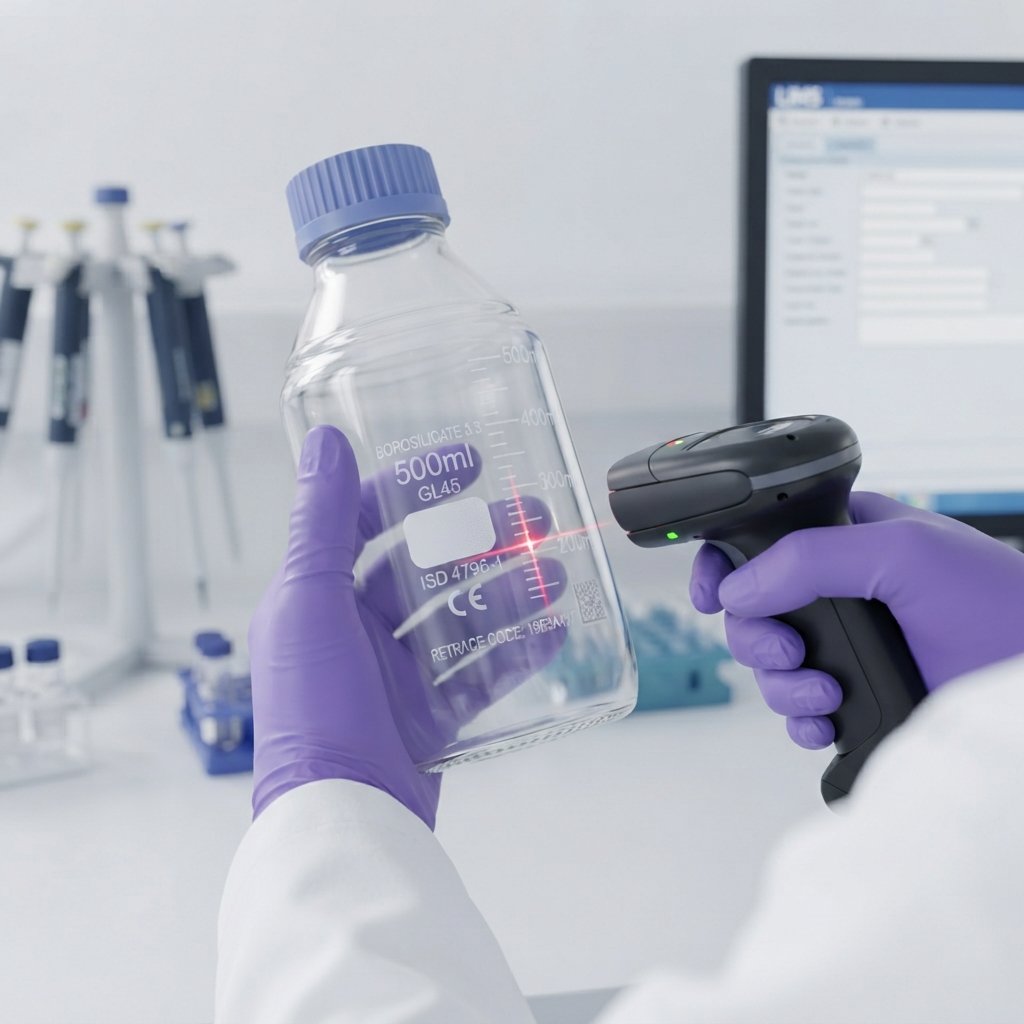
Modern digital laboratories automate inventory management using advanced tracking software. Integrating retrace codes into Laboratory Information Management Systems optimizes daily workflows. Technicians scan etched markers using handheld barcode readers upon delivery. Software platforms log manufacturer certificates into secure cloud databases automatically. Digital recordkeeping eliminates human error associated with manual paper filing systems. Auditors review complete digital lifecycles of glassware with minimal effort. Smart inventory tools alert managers when specific batch certifications expire. Technological integration modernizes traditional laboratory procurement and compliance protocols significantly.
6. Best Practices for Managing Traceable Glassware Inventories
Effective inventory management requires standardized protocols across all research departments. Facility managers should record retrace codes during initial receiving inspections. Staff members must handle glassware carefully to preserve laser etching legibility. Regular audits ensure that all active containers possess readable identification markers. Damaged or unreadable items require immediate retirement from sterile workflows. Training sessions educate junior researchers on the importance of batch traceability. Establishing clear standard operating procedures prevents compliance gaps during surprise inspections. Diligent inventory maintenance guarantees seamless audit performance year-round.
7. The Financial Impact of Traceability on Research Institutions
Investing in certified glassware requires careful financial planning for institutional budgets. While traceable products involve minor cost premiums, they prevent massive losses. Contaminated batches ruin expensive biological assays and stall critical research timelines. Using items backed by reliable retrace codes mitigates catastrophic experimental failure risks. Insurance providers favor facilities that maintain rigorous quality control standards. Reduced liability risks lower overall operational insurance premiums over time. Long-term cost efficiency justifies the initial investment in certified laboratory supplies. Smart financial leadership prioritizes safety and compliance above short-term savings.

8. Future Trends in Glassware Traceability and Authentication
Global manufacturing standards evolve continuously to meet emerging technological demands. Laser etching techniques become sharper and more durable with advanced machinery. Future retrace codes will incorporate micro-data matrices for instant smartphone scanning. Regulatory bodies push for blockchain-backed certificates to eliminate counterfeit documentation risks. Forward-thinking manufacturers adopt these innovations early to support global clients. Laboratories benefit from faster verification speeds and enhanced data security protocols. Staying informed about industry trends keeps research facilities ahead of compliance curves. Technological progress ensures greater safety and transparency across scientific disciplines.
Conclusion: Securing Compliance Through Advanced Traceability
Scientific excellence requires uncompromising attention to detail at every level. Integrating verifiable retrace codes into daily operations elevates institutional readiness for audits. Laboratories achieve superior safety and compliance outcomes using fully traceable containment vessels. Brand reputation grows when quality control matches high operational standards.
Ready to upgrade your laboratory supply chain today? Contact our technical team at MSD LAB to request certified product catalogs and bulk pricing details.