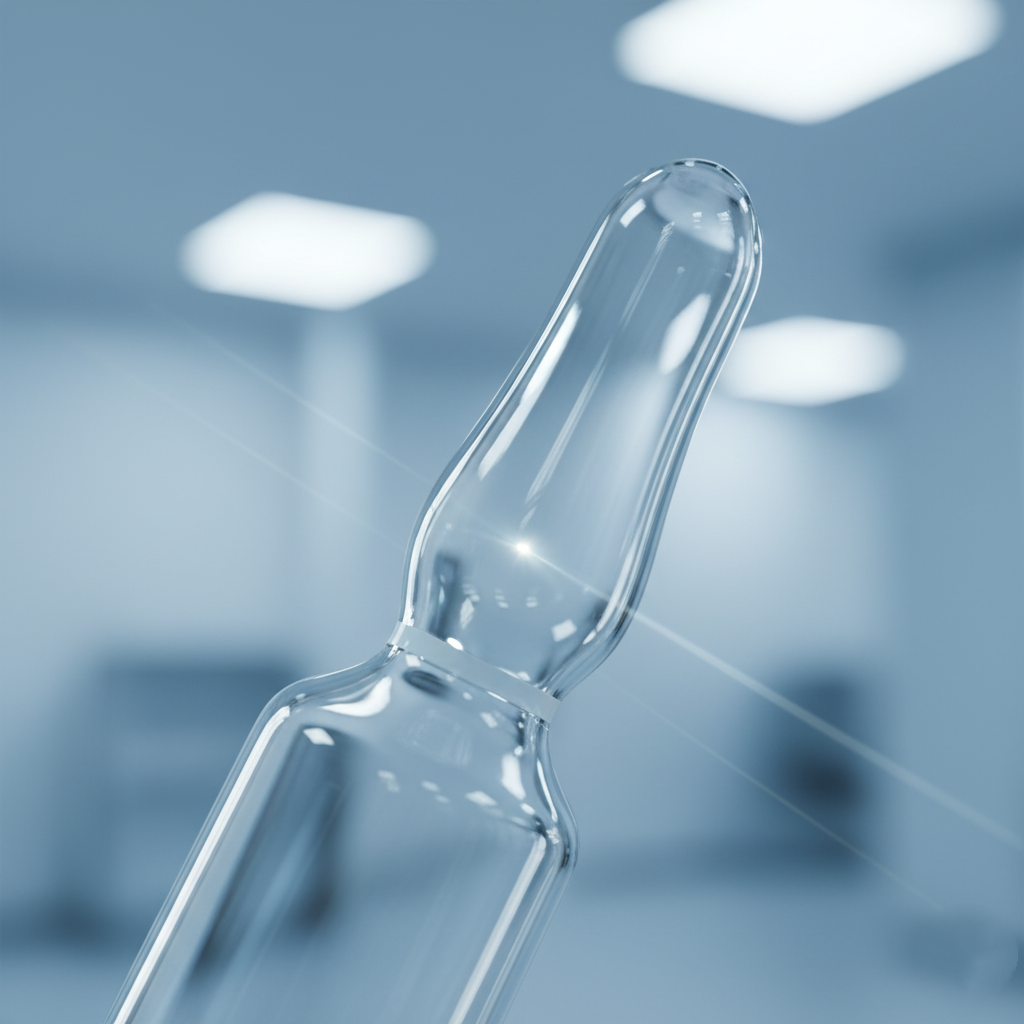
In the high-stakes world of injectable drug delivery, the Glass Ampoule remains the most trusted container for ensuring a 100% tamper-proof, hermetic seal. Unlike vials, ampoules are oxygen-free and provide the ultimate protection for sensitive formulations.
However, not all ampoules are created equal. For international pharmaceutical manufacturers, understanding the technical nuances of ISO standards and breaking systems is key to operational efficiency.
1. The Foundation: Type I Borosilicate Glass 3.3 🧪
For injectables, chemical neutrality is non-negotiable. Our ampoules are manufactured using Type I Borosilicate Glass, which offers:
- Maximum Hydrolytic Resistance: Prevents ion leaching that can alter the drug’s pH.
- Low Expansion Coefficient: Essential for the high-temperature flame-sealing process without risk of glass delamination.
2. Breaking Systems: One-Point Cut (OPC) vs. Color Break Ring 📐
The “opening experience” is a critical technical factor. A poor break can lead to glass splinters, contaminating the drug.
- One-Point Cut (OPC): A small pressure point marked by a dot. It requires less force and provides a cleaner break.
- Color Break Ring: A ceramic ring fired onto the neck. The ampoule breaks consistently at the ring’s location.
Why it matters: Consistent breaking force reduces waste on the production line and ensures healthcare worker safety. 🩺
3. Standards & Shapes: ISO 9187 Compliance 📜
International procurement officers look for ISO 9187 compliance. Depending on your filling line requirements, we provide various forms:
- Form B: Straight stem.
- Form C: Funnel-shaped (easy filling).
- Form D: Closed ampoules (delivered sealed to prevent internal contamination before filling).
4. The Sealing Process: Tip-Seal vs. Pull-Seal ⚙️
How you seal your ampoules affects the final integrity of the product.
- Tip-Sealing: Melting the very top of the stem.
- Pull-Sealing: Gripping the top of the stem and pulling it away while melting. This is generally preferred for a more uniform and aesthetic finish.
Pro Tip: Ensure your sealing flame is precisely calibrated to avoid “black spots” or carbonization on the glass surface. 🌡️
5. Quality Control: The Zero-Defect Goal 🛡️
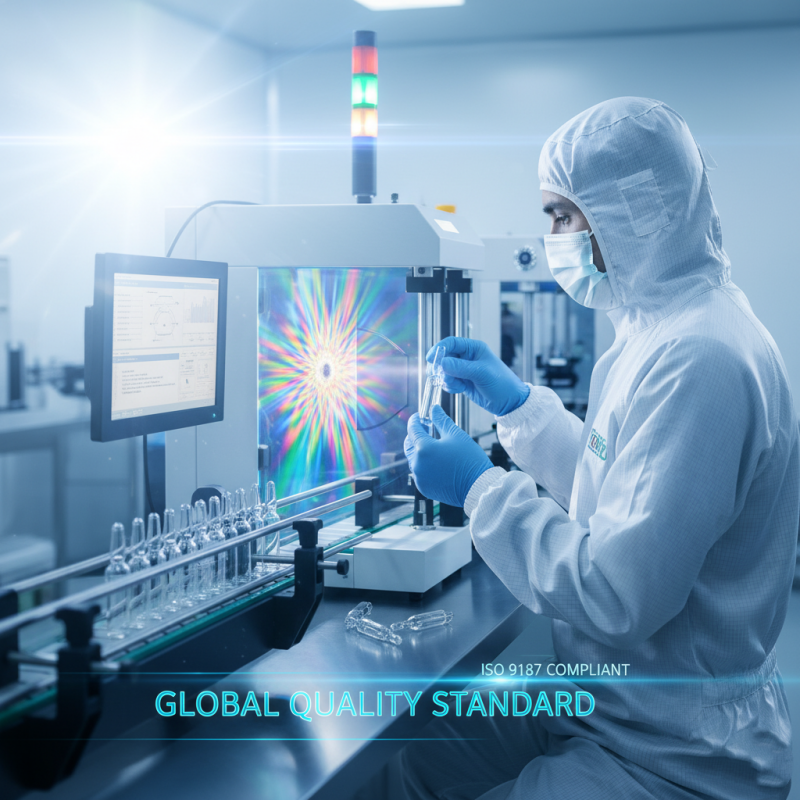
At Mingshangde (MSD), our technical application team ensures that every batch undergoes:
- Dimensional Inspection: Ensuring exact neck diameter for high-speed filling.
- Visual Light-Box Testing: Checking for particles or bubbles in the glass.
- Annealing Stress Test: Using polarized light to ensure no internal tension remains.
Conclusion: Partnering for Patient Safety 🤝
Technical excellence in ampoule manufacturing is not just about the glass—it’s about protecting the life-saving medicine inside. At MSD, we combine ISO-certified manufacturing with deep technical expertise to support your injectable projects.
Looking for technical specifications or ISO 9187 data sheets? [Download our Technical Catalog] or [Request a Quote Today]